
Reducing GHG emissions and the benefits of energy efficiency

Picture of Pablo Gonzalez
Pablo Gonzalez

PM Specialist

Climate change fight

The fight against climate change is a hot and complicated topic. It has already been shown that the environmental footprint and gas emissions are directly related to people’s quality of life. It is not the same to live in a mansion as in a flat or to eat beef every day as it is to base your diet on beans and vegetables. However (and fortunately), the trend in quality of life is upward; every year, we reach record lows with the number of people living in extreme poverty, people who lack access to water or illiteracy. Nevertheless, this relationship between consumption and improved living standards must be reversed, enhancing conditions without increasing the cost.

Several solutions are already under development: switching from more polluting fossil fuels to renewable energies, developing green technologies such as carbon capture and storage, and using waste as a source of energy. However, in my opinion, the simplest, quickest, and cheapest to implement is to improve energy efficiency.

This can range from switching to more efficient fuels (from coal to biogas) or infrastructure improvements (replacing conventional boilers) to improving practices (optimising the behaviour of hauliers to improve truck consumption). The world of efficiency is very wide, and its solutions are very diverse.

Although they are my favorites, environmental improvements and emission reductions are not the only advantages of this type of solution. Companies are increasingly inclined to develop projects with these types of objectives in mind. Consuming less means not only emitting less but also lowering production costs and making the company more competitive. The payback times are short, and the long-term benefits are quantifiable.
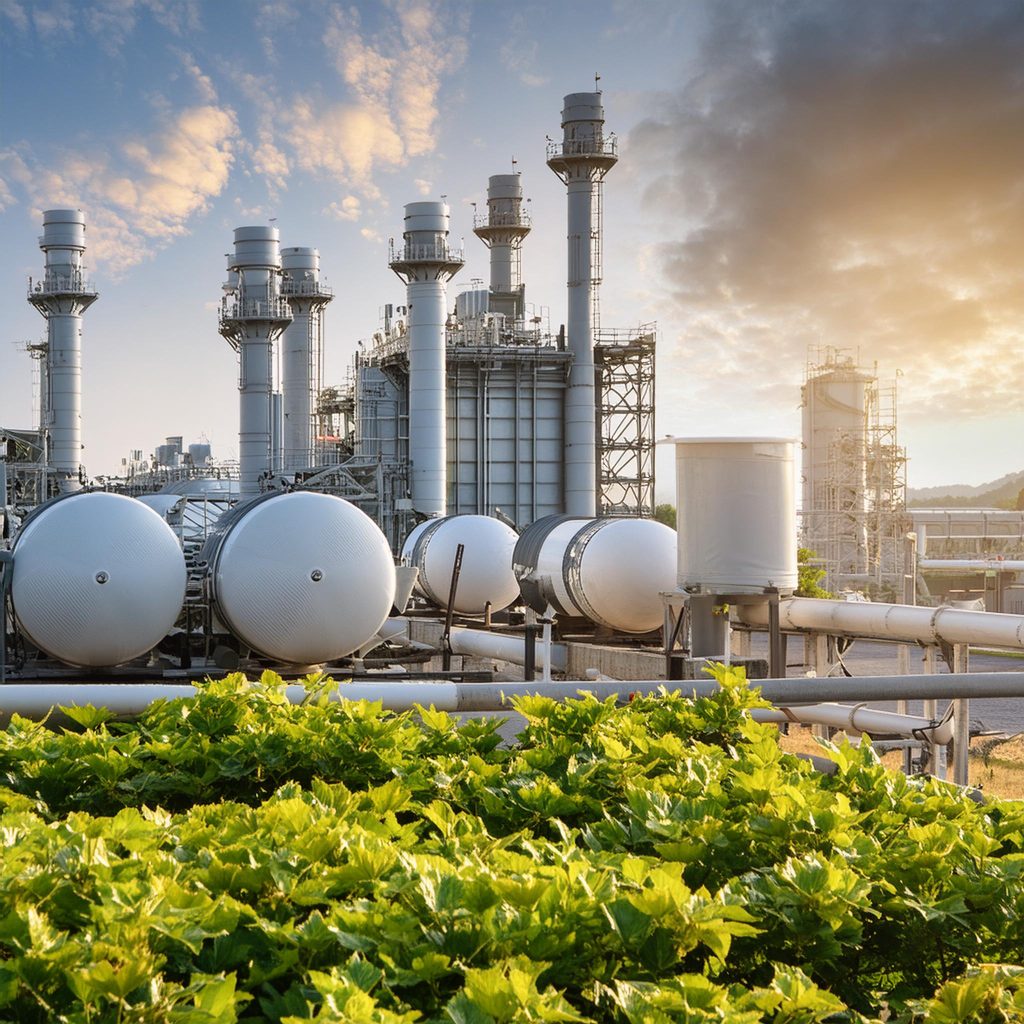
Some of Kurita's actions
  • Geothermal energy is a renewable energy source with low emissions and high potential, but the conditions are very harsh, and the brine generates many efficiency problems in the plant. We came across a case with a fouling problem in which the client saw how the fouling was lowering the plant’s performance by more than 2 MW without being able to do anything. After our team had worked on applying a KurithermTM product, the problem was solved, increasing energy production by more than 6 thousand MWh in 8 months. If this amount of energy came from a fuel such as coal, about 6 million metric tonnes of CO2 would have been emitted more than from this plant.
  • Industries are among the biggest GHG emitters because of their high energy consumption and production methods. The case of this example is a paper mill with a consumption of 60,000 kWh/day. Thanks to our colleagues’ actions in applying Kurita DropWise Technology, a 7% reduction in energy consumption has been achieved. This is equivalent to avoiding the emission of 520 tonnes of CO2 without reducing production.

Governments provide another source of support for this type of initiative. They have the obligation to legislate and support measures that improve savings and reduce consumption. One example is the case of white certificates, schemes where small consumers can exchange their savings in Wh as if they were tokens and sell them to large consumers who do not achieve the savings imposed on them as the main polluters. This allows lower project costs and reduced payback time for projects, making it more attractive to carry out this type of action.

In conclusion, energy efficiency is not only essential to reduce GHG emissions and mitigate climate change, but it also offers tangible economic benefits and promotes environmental sustainability. Commitment to energy efficiency strengthens business resilience to climate and economic challenges and drives the transition to a low-carbon and more sustainable economy for future generations.
Share this article

Share on LinkedIn
Share on Twitter
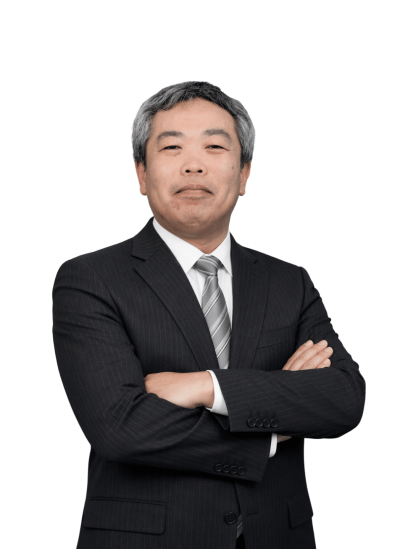
Tetsuya Teramoto

Tetsuya Teramoto

Managing Director, Kurita R&D Asia Pte. Ltd.

Mr. Tetsuya Teramoto has served as Managing Director of Kurita R&D Asia Pte. Ltd. since 2024. Since joining Kurita Water Industries in 2006, he has accumulated nearly 20 years of experience in technology strategy, research and development, and business innovation, including investments in startup companies.

Throughout his career, Mr. Teramoto has led development projects across Japan, China, and the United States. Since 2023, he has been based in Singapore, where he has focused on accelerating technology development aligned with ASEAN market needs, strengthening partnerships with startups, universities, and other ecosystem stakeholders, and driving the creation of emerging solutions that contribute to the Kurita Group’s growth.

Mr. Teramoto holds a Master’s degree in Biosystem Studies from the University of Tsukuba, Japan. Leveraging his expertise in both research and development and business strategy, he is committed to driving innovation that transforms technology into business value and sustainable growth opportunities.

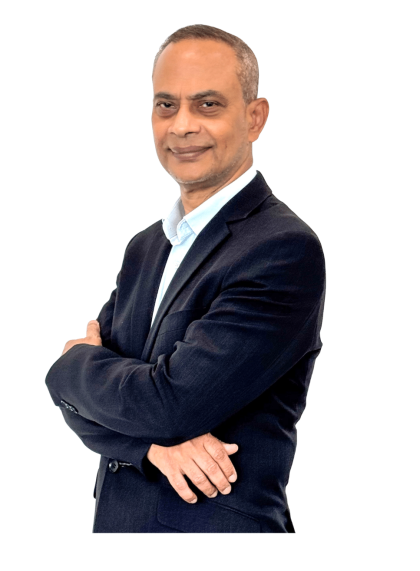
Zackariya

Mohamad Zackariya

Managing Director, Kurita (Singapore) Pte. Ltd.

Mr. Mohamad Zackariya has served as Managing Director of Kurita (Singapore) Pte. Ltd. since April 2023, capping a distinguished career of more than 25 years with the company. A Singaporean national, he joined Kurita Singapore in 1998 as a Design Engineer in the Plant Division and progressed through a series of leadership roles, including Manager, General Manager, Director, and ultimately Managing Director. His extensive experience has played a key role in strengthening the company’s technical capabilities, customer partnerships, and business growth across the region.

Holding a Bachelor’s Degree in Mechanical Engineering from University of Moratuwa, Sri Lanka and a Post Graduate Diploma in Business Management from Singapore Institute of Management, Mr. Zackariya combines deep technical expertise with strong business leadership. He is committed to advancing Kurita’s mission of creating shared value through innovation, operational excellence, and sustainable water solutions that support customers and industries throughout Southeast Asia.

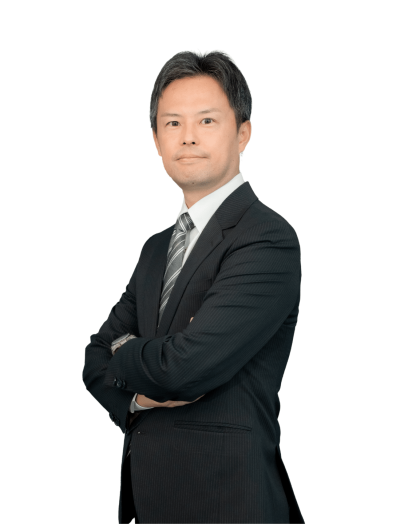
Masato Hirai

Masato Hirai

Chief Administration Officer, ASEAN Regional

Mr. Masato Hirai serves as ASEAN Regional Chief Administration Officer at Kurita, a role he has held since 2023. With more than 25 years of experience in corporate administration, financial planning, and business operations, he brings extensive expertise in supporting organizational growth, strengthening governance, and driving operational excellence across international business environments.

Mr. Hirai joined Kurita Group in 2021 and has held leadership positions in Japan, Malaysia, Thailand, and Indonesia. Throughout his career, he has been responsible for financial planning and analysis, business administration, and the management of cross-functional corporate operations. He has also supported overseas subsidiaries across Asia, Europe, and North America, contributing to the development of effective business practices and strong stakeholder relationships. Prior to joining Kurita, he held management and planning roles at several multinational manufacturing and chemical companies.

Known for his strategic vision and collaborative approach to leadership, Mr. Hirai is committed to strengthening organizational performance and creating long-term sustainable growth. Currently based in Indonesia, he leverages extensive international experience to support Kurita’s regional development and business transformation initiatives. He graduated from Hitotsubashi University, Japan, with a Bachelor of Social Sciences degree in 1999.

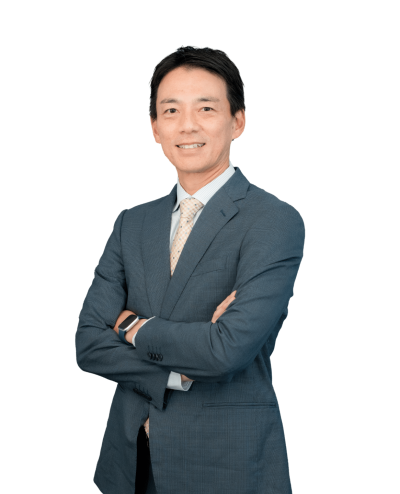
Toshiaki Nakai

Toshiaki Nakai

General Director, Kurita-GK Vietnam Co. Ltd.

Mr. Toshiaki Nakai serves as General Director of Kurita-GK Vietnam Co. Ltd., a position he has held since April 2026. With more than 20 years of experience at Kurita, he has developed extensive expertise in water treatment solutions, business development, and customer partnership management across a wide range of industrial sectors, including general manufacturing, oil refining, and steel production.

Since joining Kurita Water Industries Ltd. in 2004 as a Sales Engineer, Mr. Nakai has supported customers in optimizing water use, enhancing operational efficiency, and advancing sustainability initiatives. He later expanded his leadership responsibilities in Indonesia, serving as General Manager of PT. Kurita Indonesia from 2022 to 2025 and Senior General Manager from 2025 to 2026, where he contributed to the company’s growth and strengthened its market presence.

Mr. Nakai holds a Bachelor’s Degree in Agriculture from Kobe University, Japan, graduating in 2004.

Toshinori Maema

Toshinori Maema

President Director, P.T. Kurita Indonesia

Mr. Toshinori Maema has served as President Director of PT. Kurita Indonesia since 2025, bringing over 20 years of experience in sales, marketing, technical, and business leadership within the water treatment industry. Having worked across Asia, Europe, and North America, he offers a global perspective on customer engagement, organizational development, and sustainable business growth.

Since joining the Kurita Group in 2004, Mr. Maema has held leadership positions at various Kurita companies in China, Europe, Japan, and Avista Technologies in the United States, where he served as President & CEO from 2023 to 2025 to focus on global initiatives to expand the Kurita reverse osmosis chemicals business. With more than half of his career spent outside Japan, he has developed extensive experience in leading multicultural teams and driving business growth across diverse markets.

Mr. Maema holds a degree in Biochemistry from Aoyama Gakuin University and completed the Leadership on Change program at IESE Business School. Fluent in Japanese, English, and Chinese, with elementary proficiency in German, he is passionate about fostering collaboration across cultures. Outside of work, he enjoys a wide range of sports, including golf, baseball, soccer, and basketball.